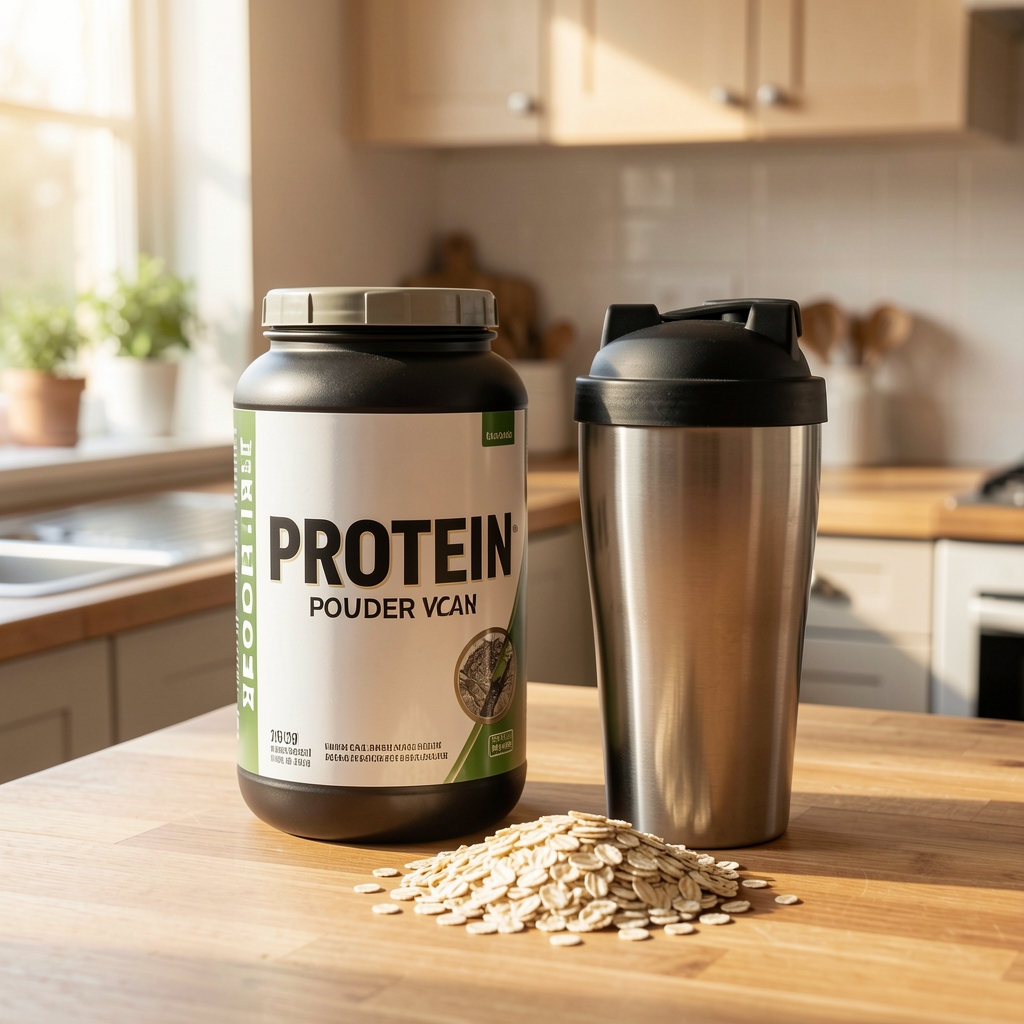
The shift toward plant-based formulations in men's daily nutrition has prompted a closer look at what ingredient transparency actually means in practice — how sourcing is documented, how batches are verified, and how editorial publications can responsibly cover these developments without overstating their scope.
What Whole-Food Sourced Actually Means
The phrase "whole-food sourced" has become a standard descriptor in men's supplement guide literature, but its practical meaning varies considerably across producers. At its most precise, the designation refers to active compounds extracted or concentrated from identifiable food matrices — spinach powder retaining its natural co-factors, for instance, or pumpkin seed providing zinc alongside its fatty-acid profile. At its loosest, the term is applied to formulations that include a nominal quantity of a whole food as a minor additive while the bulk of the blend consists of isolated compounds.
Batch documentation is one of the clearer ways to differentiate between these two uses. Suppliers whose facility maintains food-grade processing standards typically produce a certificate of composition for each production run, identifying the botanical source, the country of origin, and the concentration method. Reviewing these certificates — or confirming that a publication has reviewed them — is a more reliable signal of whole-food sourcing than any front-label claim alone.
For editorial coverage, this distinction matters because it determines how much trust to extend to a given claim. Ingredient transparency, in this sense, is not a design aesthetic for a product label but a verifiable chain of documentation from field to formulation.
Plant-Based Formulations and the Adaptogen Category
The adaptogen overview has been a consistent feature of men's wellness journals for several years. Ashwagandha root extract, rhodiola rosea, and eleuthero have each accumulated a body of published nutritional research that supports their inclusion in editorial coverage. These compounds are reviewed on the basis of their documented role in supporting normal energy metabolism and contributing to the reduction of tiredness — not on the basis of broader health claims.
What distinguishes responsible reporting on this category is an attention to formulation concentration. An ashwagandha entry on a supplement label communicates very little without knowing whether the quantity listed refers to the dried root, a 5:1 extract, or a standardised extract specifying withanolide content. The same applies to rhodiola, where the ratio of rosavins to salidroside is the figure that determines whether a dose falls within the range studied in published research.
This level of formulation detail is rarely present in consumer-facing copy, which makes the editorial function of a men's supplement guide more important: tracking whether producers are publishing batch-tested results and independent verification reports alongside their ingredient lists.
"Batch documentation is a clearer signal of commitment to ingredient transparency than any front-label description."
Tobias Marsden, Roleva Notebook — January 2026
Mineral Complex Sourcing and Bioavailability Context
Mineral complex formulations — typically combining zinc, magnesium, and selenium in varying forms — represent a significant portion of the men's supplement market. The form in which each mineral is bound has a documented effect on how efficiently the compound is processed by the body. Zinc bisglycinate, for instance, tends to show higher absorption rates in published nutritional research than zinc oxide, a fact that is relevant to any review of a formulation claiming mineral content.
Zinc contributes to normal cognitive function and immune health. Magnesium contributes to normal energy metabolism and helps reduce tiredness. Selenium contributes to the protection of cells from oxidative stress. These are established nutritional roles drawn from published reference literature, and they provide an accurate framework for discussing what a mineral complex may contribute to a daily routine without overstating its function.
The sourcing side of mineral complex documentation involves tracking whether a given zinc salt, for example, comes from a supplier whose facilities operate under food-grade processing standards, and whether the batch certificate records the measured elemental zinc content rather than the nominal compound weight. This level of traceability is the standard that responsible men's supplement guide coverage should apply.
Protein-Rich Nutrition and Formulation Methodology
The protein-rich nutrition segment of men's daily supplementation covers a range of compound types — from fermented pea protein and brown rice protein to hemp seed meal and whole-food protein blends. The editorial value of reviewing these formulations lies not in ranking them by some absolute standard but in documenting how each producer approaches the protein matrix: whether amino-acid profiling is included on the batch certificate, whether the nitrogen conversion factor used is appropriate for the specific protein source, and whether finished-product testing confirms the label claim.
Performance nutrition coverage in editorial publishing has, at its best, established a vocabulary for discussing these distinctions without relying on superlatives. The language of lean body support and active lifestyle support, when grounded in formulation specifics, can be used precisely. When used generically — as ambient marketing copy — these terms lose their communicative value entirely.
This publication maintains the position that any protein-rich nutrition entry reviewed in these pages must be accompanied by documentation: a batch certificate, a third-party verification report, or a labelling accuracy test result from an independent laboratory. The review is of the documentation first, and of the formulation second.
- 01 Whole-food sourced designations require batch-level documentation to carry editorial weight.
- 02 Adaptogen entries in a formulation are only reviewable when concentration and standardisation data are available.
- 03 Mineral form (bisglycinate vs. oxide vs. citrate) affects the relevance of any comparison between formulations.
- 04 Protein-rich nutrition entries should include amino-acid profiling and labelling accuracy verification to be considered for review.
- 05 Independent batch verification remains the most reliable signal of quality across all supplement categories.